
Our Science-Based Restoration Process: Precision in Every Step
See how Pacific Water Restoration LLC applies a meticulous, six-step workflow rooted in building science and microbiology to restore homes and businesses across Maple Valley, Renton, Bellevue, Enumclaw, Bonnie Lake, Convington, Black Diamond and the South King County area. We prioritize technical accuracy, honest guidance, and people-first service from first call to final verification.
What Makes Our Restoration Approach Different?
When water or mold damage strikes, the path to a healthy, restored property should not be a mystery. At Pacific Water Restoration, our process is built on scientific rigor and total transparency. We start with detailed moisture mapping, then guide you through each step with clear explanations and honest recommendations.
Every phase is backed by industry certifications and real-time data, ensuring your property is not only dry, but truly safe. Our scientific approach sets us apart in Maple Valley, Bellevue, and the wider South King and North Pierce County region. This gives you confidence that your restoration is thorough, compliant, and insurance-ready.
Step 1: Initial Assessment
Comprehensive Inspection and Moisture Mapping
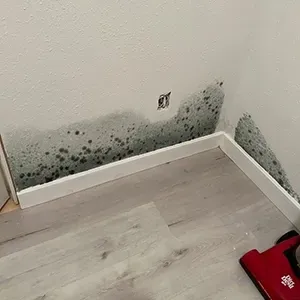
Restoration begins with a careful, science-backed evaluation. Our technicians use advanced moisture meters and thermal imaging to identify all affected areas, not just what is visible on the surface. This initial mapping is critical for homes in Maple Valley, Renton, and surrounding neighborhoods, where hidden moisture can cause severe long-term issues like wood rot and microbial growth.
We document all findings, review potential regulated materials such as asbestos or lead, and lay the groundwork for a restoration plan that meets both health and building code requirements. This methodical start ensures nothing is overlooked, setting the stage for an efficient and thorough process.
Step 2–6: The Restoration Workflow
From Honest Estimates to Final Documentation: Our 6-Step Process
After the initial assessment, we walk you through our full six-step workflow:
- Clear Explanation and Honest Estimate, where we outline the scope, answer your questions, and make sure you understand each recommendation, never upselling or using scare tactics.
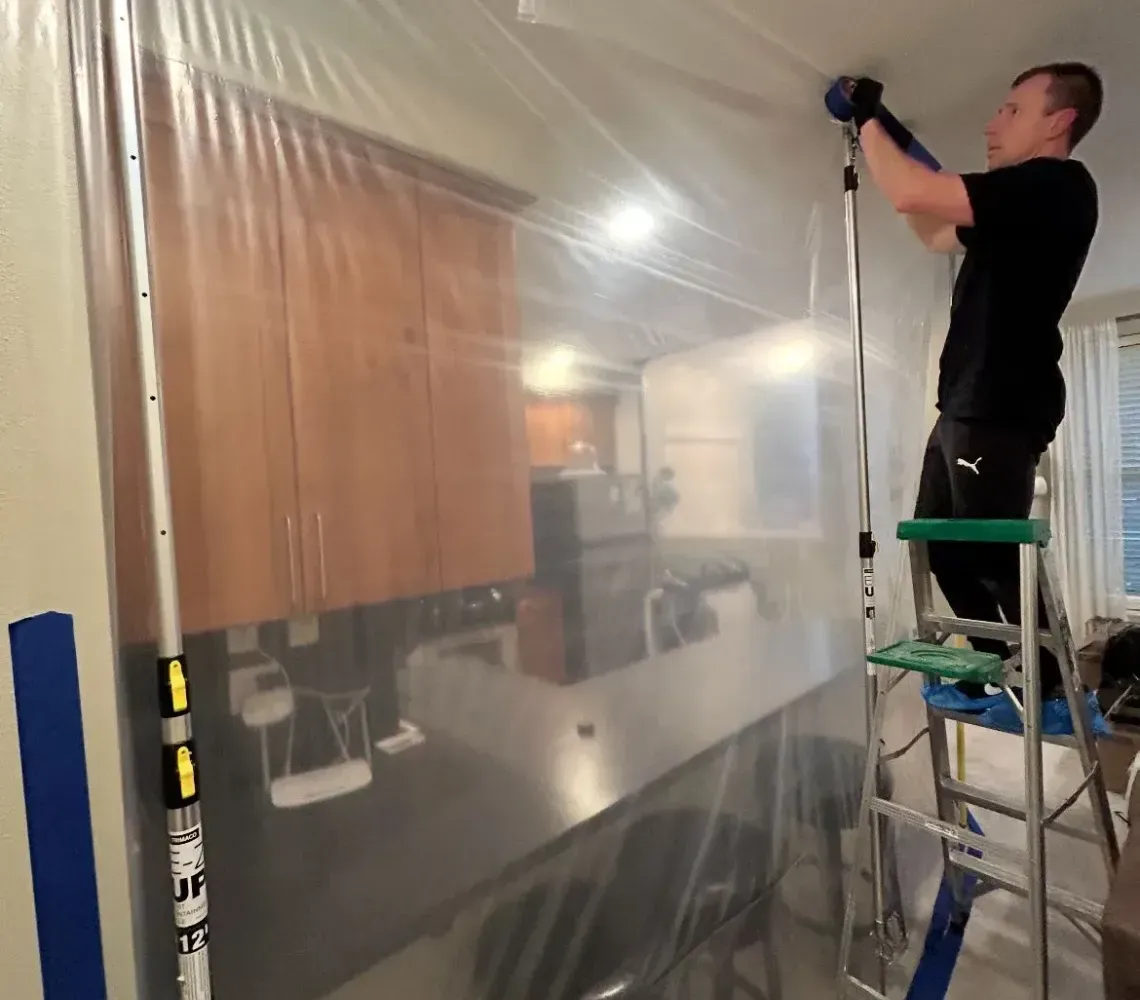
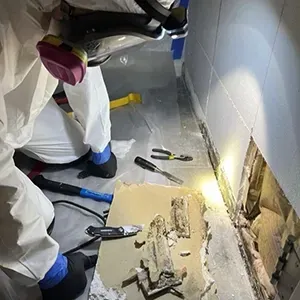
- Water Extraction and Controlled Removal, using IICRC-certified protocols to safely remove standing water and any unsalvageable materials, while protecting unaffected areas.
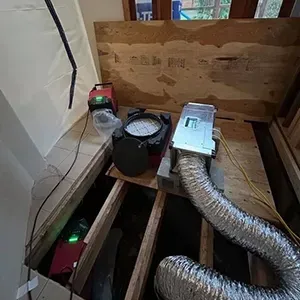
- Drying, Dehumidification, and Monitoring, deploying professional-grade air movers and dehumidifiers to restore the proper moisture balance, with daily monitoring for accuracy.
- Cleaning, Sanitizing, and Microbial Control, utilizing HEPA filtration and EPA-registered antimicrobials as needed, always with your written consent.
- Documentation and Final Verification, providing complete records and moisture readings for insurance compliance and your peace of mind.
Every phase is handled by certified professionals, always prioritizing your health, asset value, and a respectful, clean work environment.
FAQS
Common Questions About Our Restoration Process
What is your restoration process?
Our restoration process follows a structured six-step workflow that includes inspection, assessment, water extraction, drying, sanitizing, and final verification. This organized approach ensures nothing is overlooked during the restoration process.
Why is moisture mapping important?
Moisture mapping helps us locate hidden water damage behind walls, under flooring, and within structural materials. This allows us to identify the full scope of the damage rather than relying only on visible signs.
How do you monitor drying progress?
We use ongoing moisture readings and monitoring equipment throughout the drying process. This ensures the structure reaches proper dry standards before work is considered complete.
Do you explain the process before starting work?
Yes, we take time to explain every step of the restoration process so clients understand what is happening and why. Our education-first approach helps reduce stress and confusion during difficult situations.
Why is documentation important during restoration?
Detailed documentation helps verify drying progress, support insurance claims, and create accountability throughout the project. It also gives homeowners peace of mind knowing the process is being tracked professionally.